
Submitted in Partial Completion of the Master of Arts in Human Rights and Social Justice at Thompson Rivers University
The Master of Arts in Human Rights and Social Justice at Thompson Rivers University has been a transformative space for deep learning, critical reflection, and hands‑on engagement with the world’s most pressing social issues. Designed as an intensive, interdisciplinary program, it brings together students, faculty, and community partners who share a commitment to justice, equity, and meaningful social change. What drew me to this program and what has defined my experience within it is its emphasis on becoming “an engaged global citizen and problem solver who can tackle problems from multiple perspectives.” Through innovative courses, collaborative learning environments, and a required field experience, the program encourages students not only to study systems of power, inequality, and resistance, but to step into real-world contexts where these dynamics unfold.
The curriculum’s structure reflects this philosophy. Core courses in human rights theory, Indigenous ways of knowing, and ethical research practices provided the intellectual grounding I needed to navigate complex questions about justice, responsibility, and community. The program’s interdisciplinary approach which draws from sociology, political science, history, social work, and beyond, has ensured that no issue was ever approached from a single angle. Instead, I learned to think across frameworks, to critique existing systems, and to imagine alternatives that honour dignity, diversity, and collective well‑being.
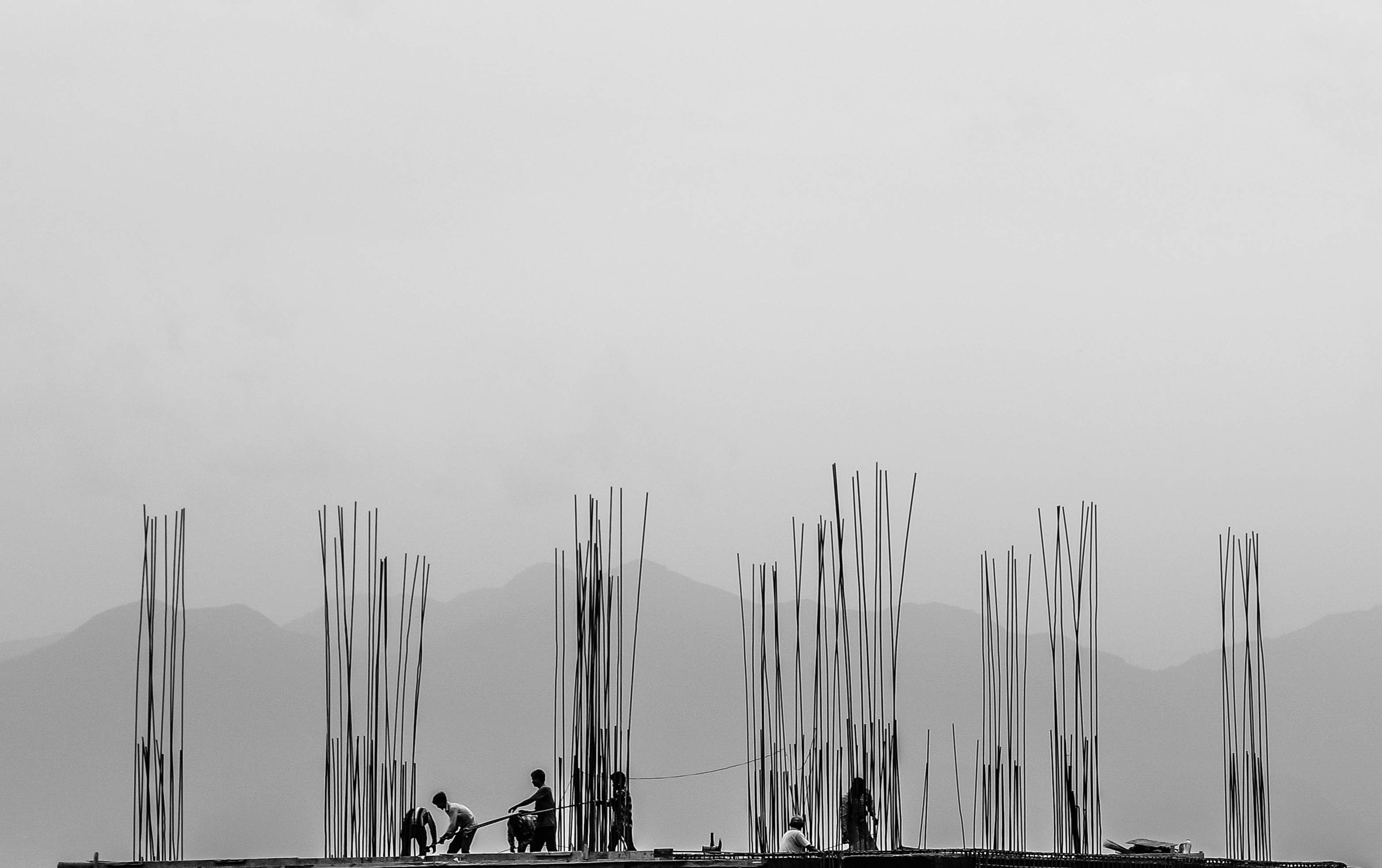
What ultimately shaped my learning most profoundly was the experiential component. The field school in Nepal allowed me to work directly with NGOs, community organizations, and local leaders, translating classroom knowledge into lived understanding. This hands‑on engagement embodied the program’s promise to “get hands‑on field experience working on human rights and social justice issues,” and it became the anchor for much of my growth. The practicum challenged me to listen differently, to recognize my own assumptions, and to understand justice not as an abstract concept but as a daily practice shaped by relationships, context, and care.
This e‑portfolio brings together the ideas, experiences, and reflections that have shaped my journey through the MAHRSJ program. It represents not only what I have learned, but how I have learned – through community, through critical inquiry, and through the belief that a more just world is both necessary and possible.
 globalindigenousvoice.org